1.Introduction
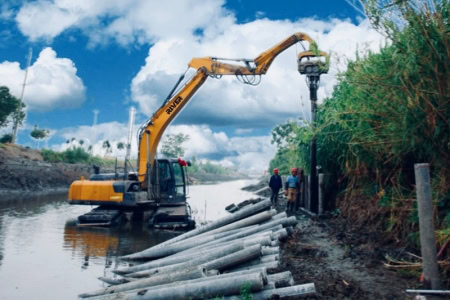
Swamp dredging is one of the most challenging types of excavation work. The ground is soft and unstable. Water levels are usually shallow. Access to the work area is often limited.
These conditions make it difficult for standard excavators to operate safely and efficiently. Machines can easily get stuck, lose balance, or fail to reach the required depth.
In many projects, contractors try to move the excavator closer to the dredging point. However, this approach increases the risk of sinking and slows down the overall progress. Frequent repositioning also adds time and labor costs.
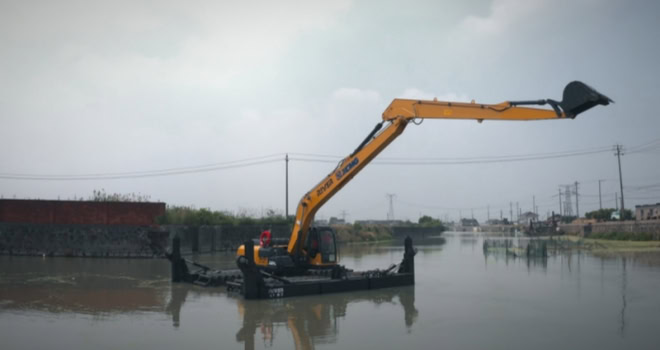
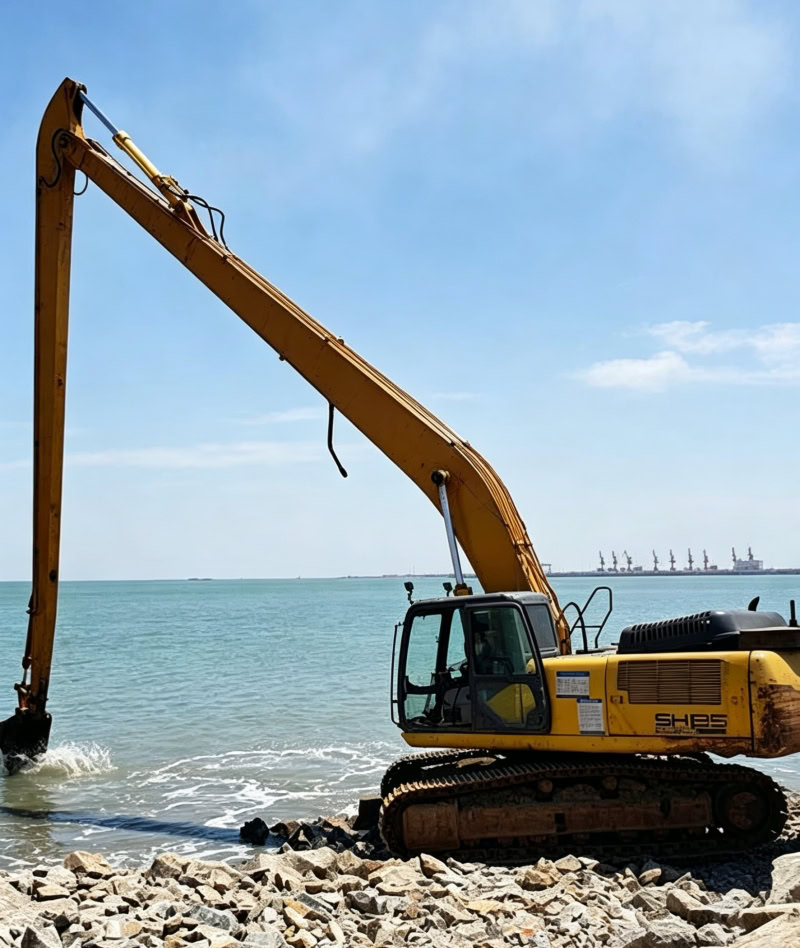
This is where the excavator long reach arm becomes a practical and efficient solution. By extending the working range, the machine can stay on more stable ground while still reaching far into the swamp. It allows operators to dig deeper and cover a wider area without moving the machine too often.
As a result, safety and productivity both improve. This makes the long reach arm ideal for swamp dredging projects.
2.Customized Solution for Swamp Dredging
Every swamp dredging project has different conditions. Some areas are wide and require large coverage, while others are deeper and demand extended digging reach. In most cases, standard excavator booms are simply not long enough to handle these requirements.
When a conventional excavator cannot reach the bottom, operators must move the machine closer again and again. This not only reduces efficiency but also increases the risk of accidents, especially in muddy or waterlogged environments.
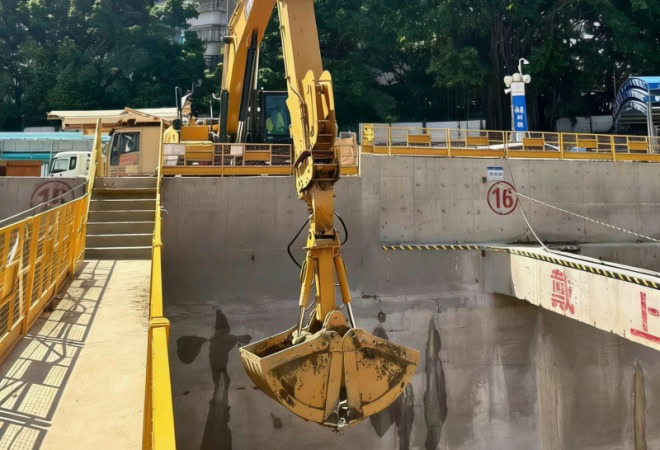
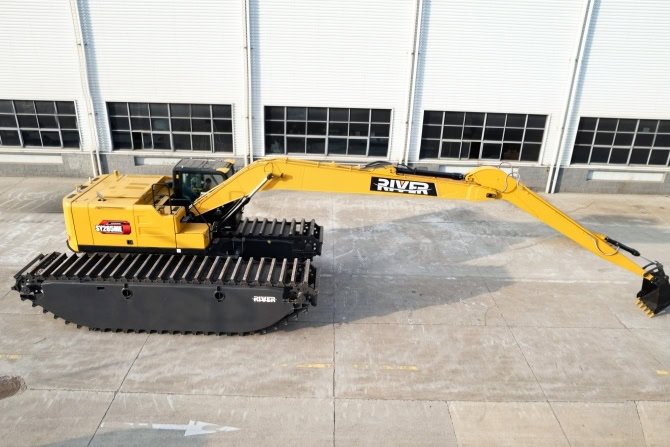
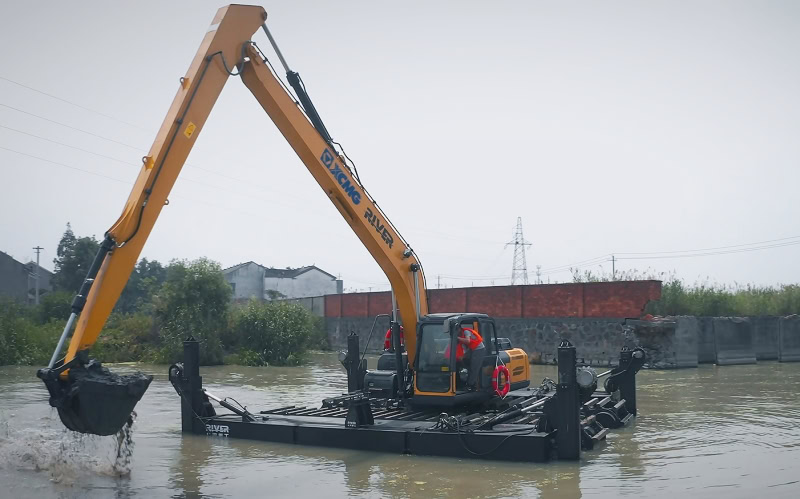
To solve this problem, RIVER developed a customized long reach solution. In one typical case, engineers designed and installed a 20-meter telescopic arm on a 20-ton excavator. The system also had a specially designed dredging bucket, better suited for handling soft soil and sediment.
Engineers from XCMG applied this configuration to improve performance in swamp conditions. After modification, the excavator could easily reach deeper areas without needing to relocate frequently.
This setup made the machine more efficient and easier to control. Operators could complete tasks faster while maintaining better stability. Engineers also tested similar solutions on Sany machines. They showed consistent and reliable results in swamps and shallow water.
Overall, a custom long reach arm system lets contractors fit equipment to specific project needs. It improves performance and safety.
3.Importance of Counterweight Adjustment
While a long reach arm provides clear advantages, it also brings new challenges. One of the most important factors to consider is the machine’s balance.
When you extend your arm, the center of gravity shifts forward. This creates additional stress on the front part of the excavator and may reduce stability. If not properly managed, it can lead to unsafe working conditions, especially when operating over soft ground or water.
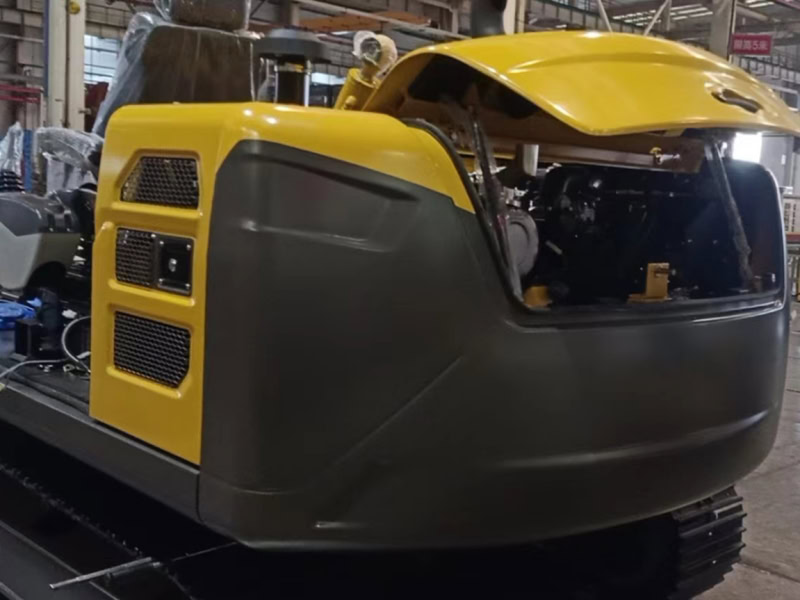
To solve this issue, counterweight adjustment is necessary. For a typical 20-ton excavator with a 16 to 20-meter long reach arm, you usually need extra counterweight.
The additional counterweight weighs roughly between 2 and 4 tons. They install this extra weight at the rear of the machine to balance the forward extension.
With the correct counterweight, the excavator can maintain stability even when working at maximum reach. It also helps improve control and reduces the risk of tipping over.
In addition, proper weight distribution reduces wear on key components, such as the undercarriage and hydraulic system. This not only improves safety but also extends the service life of the machine.
Operators should always follow the recommended guidelines and properly configure the machine before starting work. A well-balanced excavator performs better and operates more safely in difficult environments like swamps.
4.Conclusion
Swamp dredging needs equipment that can handle tough, unpredictable conditions. Conventional excavators frequently face challenges there because of restricted reach and weak stability.
The excavator long reach arm offers a simple yet effective solution. By extending the working range, it lets the machine work from safer, more stable ground. It can also reach deeper and wider areas.
When combined with a suitable dredging bucket and proper counterweight adjustment, the system delivers reliable performance. It reduces frequent repositioning, increases productivity, improves overall efficiency, and enhances operator safety.
Today, crews widely use long reach arm configurations in swamp dredging, river maintenance, and shallow water projects. They have proven to be a practical choice for contractors looking to improve productivity and reduce operational risks.
In challenging environments like wetlands and soft ground areas, investing in the right equipment can make a significant difference. The long reach arm is not just an attachment—it is a key solution for smarter and safer dredging operations.